


Fertility & Trying to Conceive (TTC)
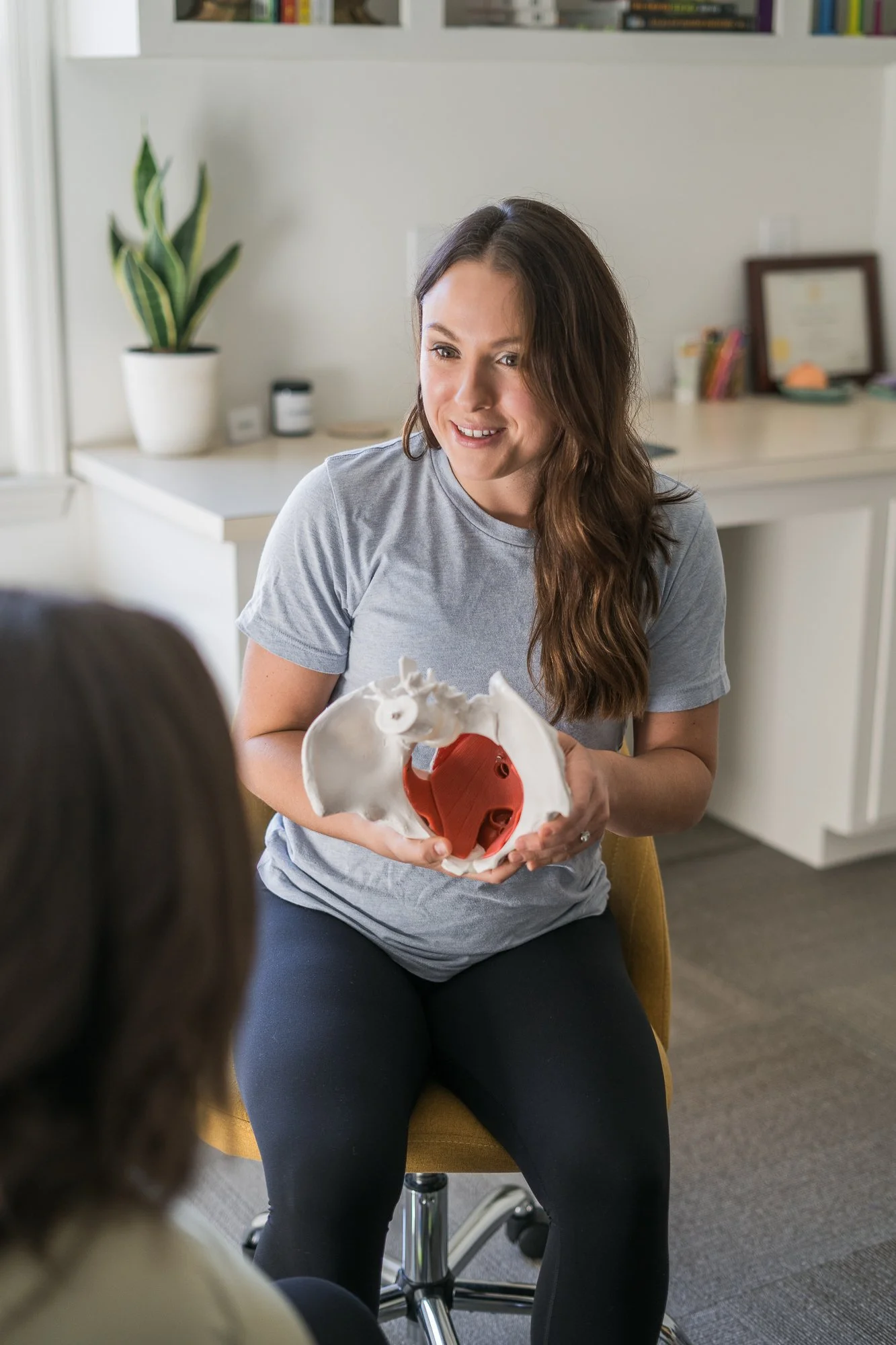
Navigating fertility can feel overwhelming. Especially when your appointments feel clinical, rushed, and light on real guidance. At Soulshine, we offer fertility counseling that fills the gap: the whole-picture support that helps you understand your body, advocate for yourself, and give your journey the best possible foundation.
Pelvic Floor Therapy During Your Fertility Journey
Whether you’re just starting to think about conceiving or you’re preparing or going through IUI or IVF, support your body throughout the process.
Reproductive endocrinologists and fertility doctors are exceptional at what they do, but a 15-minute appointment doesn't leave room for the full picture. Nutrition, lifestyle factors, cycle patterns, stress, sleep, and supplementation all play a role in fertility, and most patients leave their clinic visits without guidance on any of it.
Conditions and Situations We Treat:
Unexplained infertility
Endometriosis and Adenomyosis
PMOS and cycle irregularities
IUI preparation and support
IVF preparation and support
Hormonal imbalances affecting fertility
Low AMH or diminished ovarian reserve, in coordination with an RE
Recurrent miscarriages
Fertility after 35
Dr. Meghan Davidson holds a specialized certification in fertility and brings a thorough, whole-person approach to every session. We review your labs, your cycle history, and your health background to identify what's often being overlooked, and then build a plan that works alongside your medical team, not instead of it.

What A Fertility Pelvic Floor Therapy Session Looks Like
Every session is one-on-one, unhurried, and built around what you actually need — not a checklist.
Your first fertility session is built around your story. We'll take a thorough look at your cycle history, your labs if you have them, your family history, and the lifestyle factors that affect hormonal and reproductive health — including sleep, nutrition, stress, and movement.
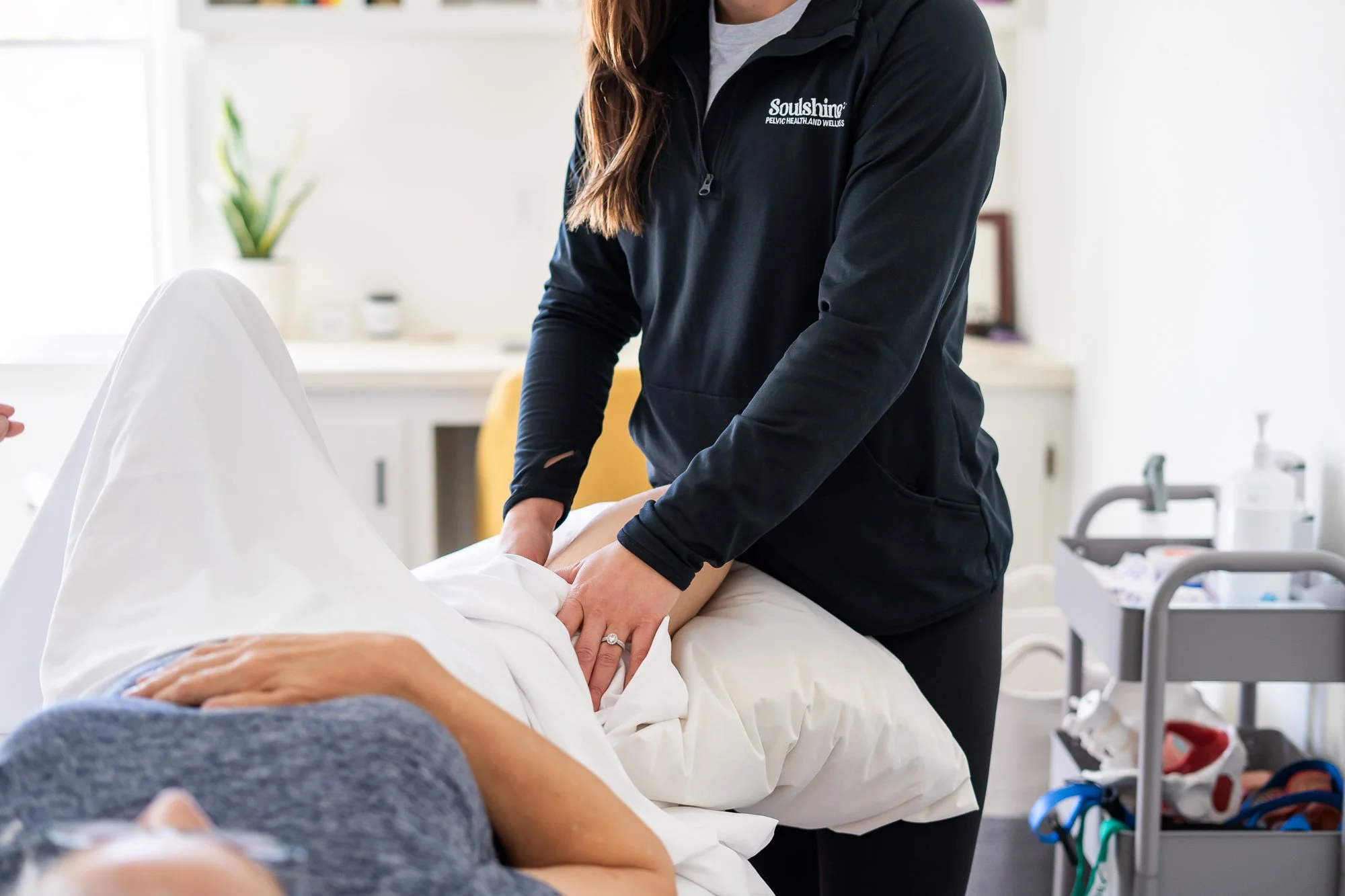
From there, we combine hands-on pelvic floor work with personalized guidance on supplement recommendations and lifestyle adjustments that are specific to your situation. We also work directly with patients going through IUI and IVF cycles to support their bodies before, during, and after treatment.
Frequently Asked Questions for Fertility and TTC Pelvic Floor Therapy
-
Not at all. Many of our fertility patients come in proactively — before they've encountered any issues — because they want to understand their body and set a strong foundation before trying to conceive. You don't need a diagnosis or a referral to get started.
-
Yes — and we encourage it. Our fertility counseling is designed to complement your medical care, not replace it. We work alongside your existing team and communicate clearly so everyone is on the same page.
-
Standard pelvic PT focuses primarily on muscular function and symptom relief. Fertility counseling goes deeper — reviewing your labs, cycle patterns, and health history to identify contributing factors and build a whole-picture plan. Meghan holds a specialized fertility certification specifically for this work.
-
Yes. We work with patients at every stage of their fertility treatment — before a cycle begins, during stimulation and transfer phases, and in the period following treatment. We tailor our approach based on where you are in the process.
-
Yes. Fertility is rarely a one-person issue, and factors like sperm motility and quality are worth addressing even when results fall within a normal range. Partner-inclusive sessions are available to look at the full picture together.
-
We don't prescribe, but we do provide detailed supplement and lifestyle recommendations based on your specific labs and health history. If we think a prescription is warranted, we'll help you understand why and how to have that conversation with your doctor.
Book Your Pelvic Floor Therapy Appointment
You deserve answers, not just next steps.
If your fertility journey has felt clinical, rushed, or like you're missing pieces of the picture — we're here to fill in the gaps. Let's start with a conversation.