

Dry Needling at Soulshine Pelvic Health and Wellness
Dry needling is one of the most effective tools available for releasing deep muscle tension, deactivating trigger points, and relieving pain that hasn't responded to stretching, massage, or traditional physical therapy.
What Dry Needling Can Help With
Dry needling at Soulshine is used across the whole body — pelvic floor muscles, hips, glutes, low back, abdomen, and beyond — depending on where your symptoms are coming from.
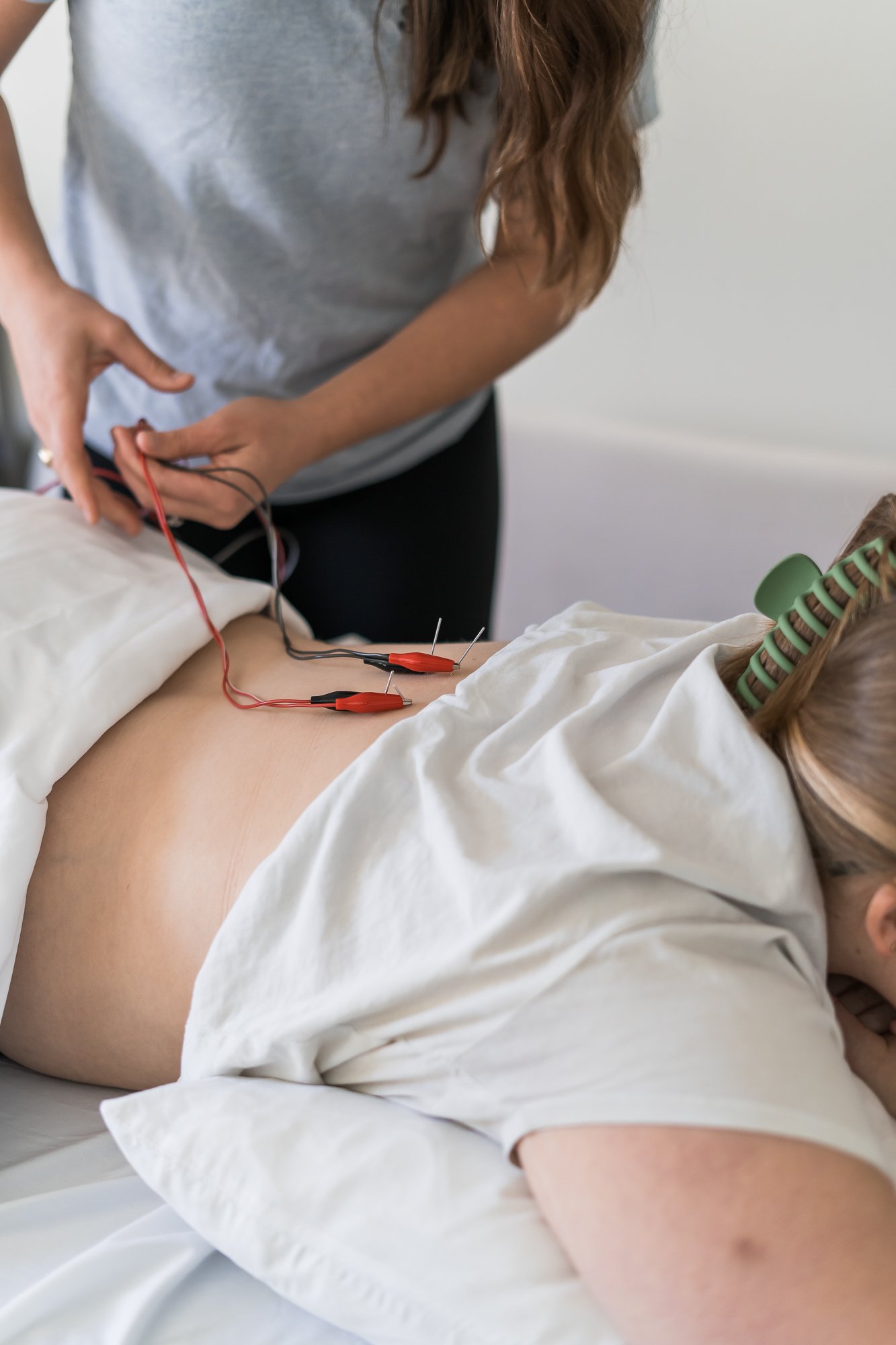
Hip, Glute, & Low Back
Gluteal & piriformis tension, hip flexor tightness and pain, low back & SI joint pain, sacral and tailbone pain
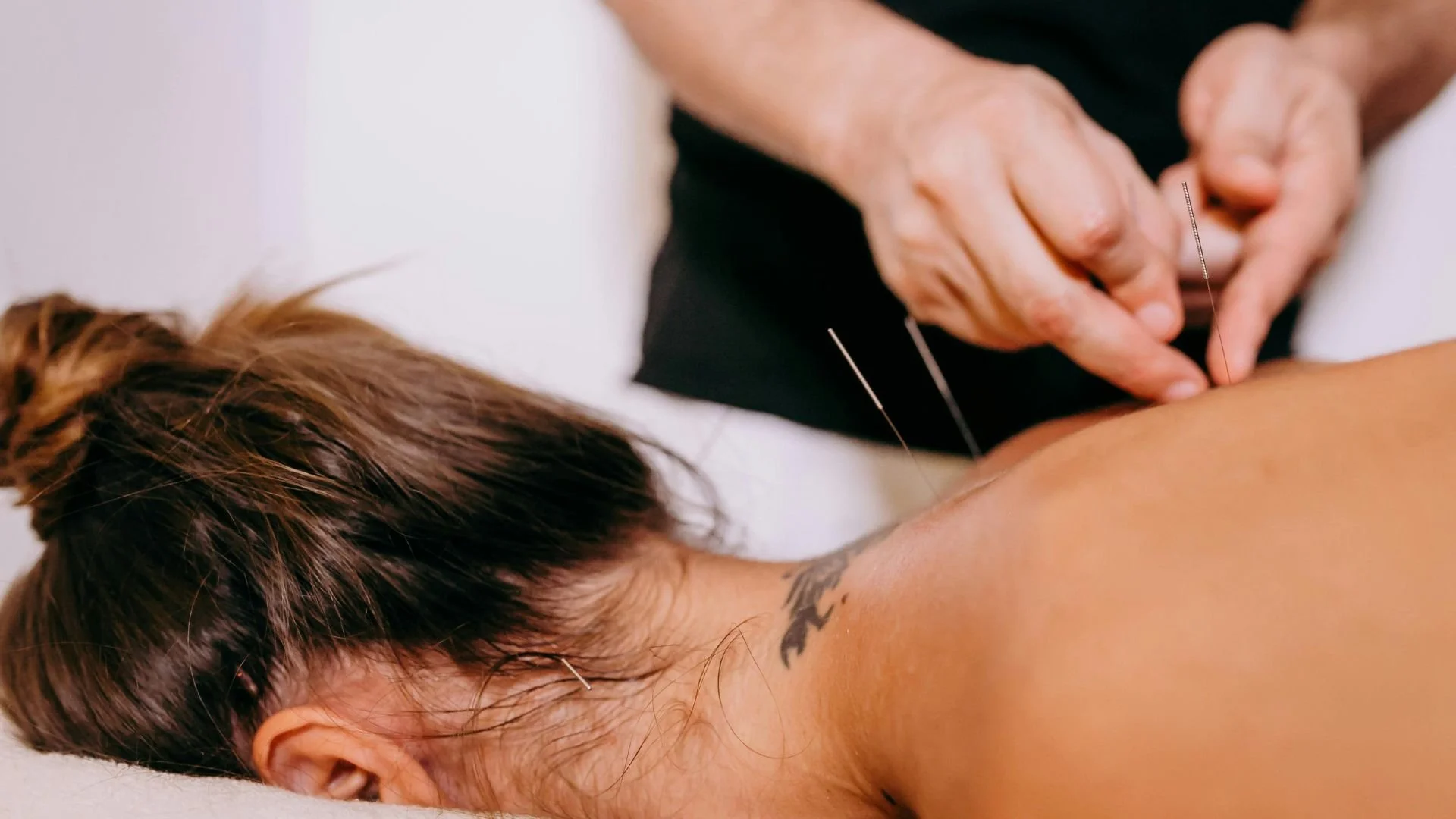
Whole Body and Other Areas
We treat trigger points anywhere causing referred or local pain; chronic muscle tension unresponsive to stretching or massage; pain patterns following injury or surgery; neck, shoulder, and upper back tension; muscle imbalances affecting posture and movement
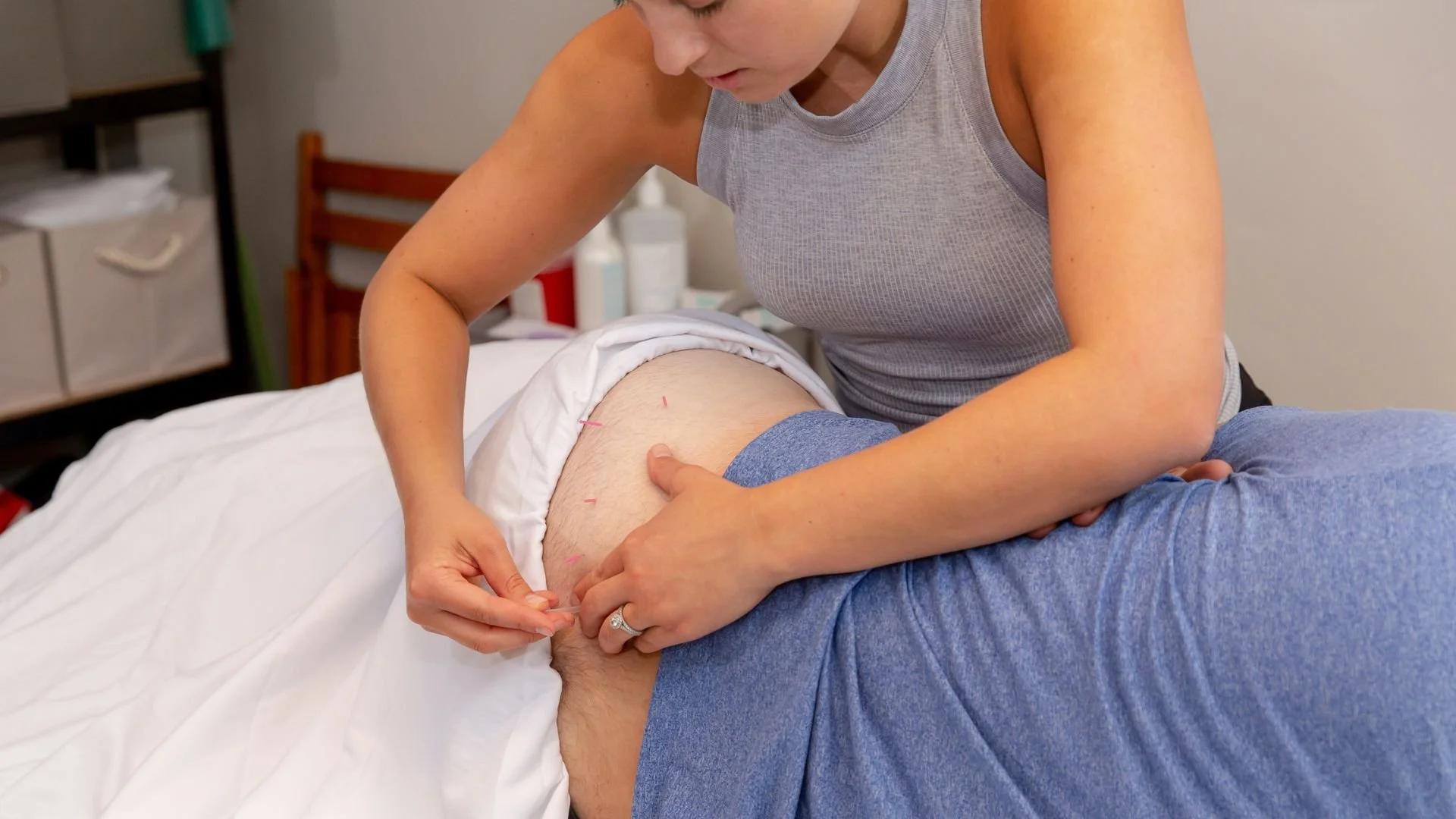
Pelvic Floor And Abdominal
We treat pelvic floor muscle hypertonicity & tension; pelvic pain driven by myofascial trigger points; abdominal tension contributing to pelvic dysfunction; tailbone & perineal pain; pain with intercourse related to muscle guarding.
For pelvic floor patients especially, needling the surrounding muscle groups is often what unlocks progress.
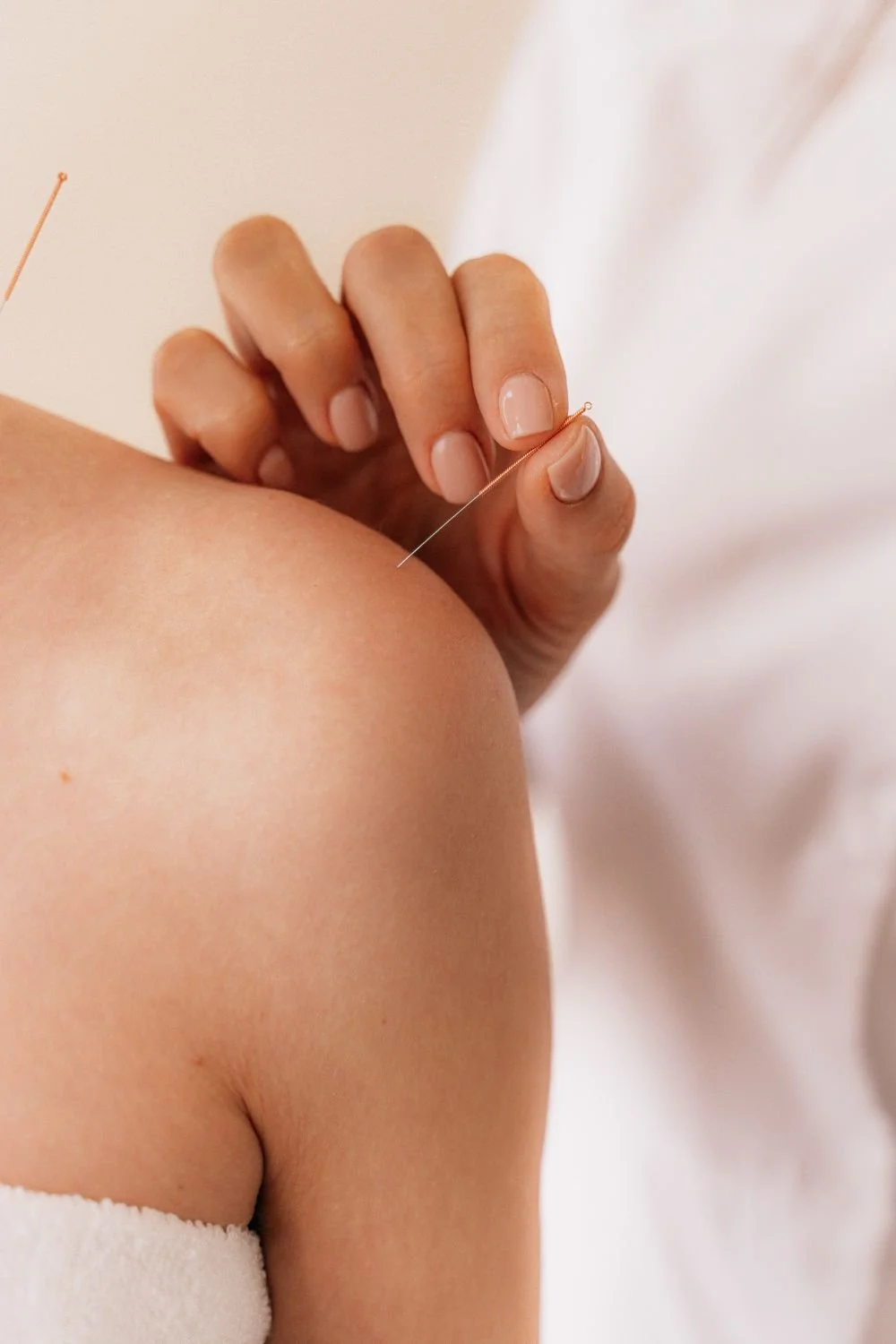
How We Use Dry Needling
It's not just for tight muscles.
Most people think of dry needling as a tool for releasing tight, overactive muscles, and that's true, it's the most common application. But dry needling can do more than that.
We also use it to calm irritated or overactive nerves, addressing conditions like neuropathy and neuralgia that cause burning, shooting, or radiating pain. And for patients recovering from surgery, dry needling can support the healing process around scar tissue, improving mobility and reducing the restriction that surgical scars often leave behind. Whatever's driving your pain — muscular, neural, or post-surgical — there's likely a way dry needling can help.
Dry Needling Frequently Asked Questions
-
No. Both use thin needles, but the philosophy and application are different. Acupuncture is rooted in traditional Chinese medicine and focuses on energy meridians. Dry needling is based on Western musculoskeletal anatomy — it targets specific trigger points in muscle tissue to release tension and restore function. The mechanism and goals are distinct.
-
Most patients feel mild discomfort when the needle contacts an active trigger point, followed by a brief twitch response. The twitch can feel like a muscle cramp or a deep pressure — it's momentary, and most patients describe significant relief immediately after. Needle insertion itself is typically not painful. The experience varies based on the area being treated and your individual sensitivity.
-
It depends on what's being treated. Some patients feel lasting relief after a single session on a specific trigger point. Others benefit from a series of sessions, particularly for chronic or complex pain patterns. A clearer picture of what to expect for your specific situation will be provided at your first appointment.
-
Yes — and for many patients, combining the two is the most effective approach. Dry needling can release the muscle tension that's limiting progress in pelvic PT, making the rest of the treatment work better and faster. If needling is a good fit for your treatment plan, it will be recommended as part of your ongoing care.

Book Your Dry Needling Appointment
Some tension needs something more to resolve.
Whether you're looking to address a specific pain pattern or add dry needling to an existing treatment plan, real relief is closer than you think.